Seasonal wildlife watching calendar for UK beginners: what to see each month

You do not need a long lens, a hide or a car journey to a nature reserve to watch wildlife in Britain. Most of the good stuff happens within a few hundred metres of your own front door, and it happens on a schedule you can learn. A fox calling on a January night, a queen bumblebee working a March hedge, bats flicking over a July garden — each has its moment.
Think of the year as a rota. Turn up in the right week and you will see things; turn up in the wrong one and you will assume the place is empty. What follows is a beginner's calendar, arranged around what is genuinely easy to find in the UK, month by month, with no specialist gear required.
December to February is fox season. Foxes mate in midwinter, nights are long, and thin cover makes them easier to spot than at any other time of year. Listen after dark for the famous three-part scream of a vixen and the sharper barks of dogs answering. A slow walk along a footpath at the edge of town, an hour after sunset, is often all it takes.
It is also the season for visitors from the north. Redwings and fieldfares strip berries from hawthorn and rowan, and in some winters waxwings turn up on supermarket car park trees. Starlings gather in murmurations over reedbeds and piers as dusk falls. Garden feeders become the busiest place in the neighbourhood, which is why January is a good month to start counting what visits yours.
By late February, if it has been mild, frogs are already returning to garden ponds and the first spawn appears. Look for it in the shallows on the sunny side.
March and April are the months beginners get hooked, because everything happens at once and much of it is audible.
May and June are generous. Cow parsley lines the lanes, oak and ash come into leaf, and swifts arrive in the first week or so of May. Their screaming parties over rooftops at dusk are the sound of a British summer starting.
This is the best window for watching young animals learning the rules: fox cubs tumbling outside an earth, fledgling blackbirds begging in the borders, ducklings on park ponds. Keep a respectful distance — a parent bird or mammal that is worried about you will spend energy it needs for feeding young.
Bats return to the evening sky, and a warm, still night beside water or under a street light is a good place to start. You will see them before you identify them, and that is fine.
Long evenings make July and August the easiest months of the year to watch wildlife, even if you work full time. Sit outside from about half an hour before sunset and let the garden come to you.
Butterflies peak now — meadow brown, gatekeeper, comma, ringlet — along hedgerows and rough grass verges. Dragonflies patrol ponds. Hedgehogs visit gardens after dark for water and cat food left out for them. Moths will arrive at an open window or a white sheet lit from behind, and the variety surprises most people.
In a hot, dry spell, shift your effort to early morning. Animals are active, the light is better and the paths are empty.
September to November is the season of signs as much as sightings. Berries ripen — hawthorn, rowan, blackberry — and hungry migrants move through the hedges. Fox cubs born in spring are now dispersing and turning up in odd places, including town centres.
Woodland fungi appear after rain. Enjoy looking and photographing them, but do not eat anything you cannot identify with complete certainty; several common British species are seriously poisonous, and identification from a phone photo is not a safe method.
October is the month for the red deer rut. Listen for roaring at dawn and dusk on Exmoor, in the New Forest and at Richmond Park. Stay on paths, keep well back and keep dogs away; rutting stags are large, tired and unpredictable.
Choose one small patch you can reach on foot: a park corner, a stretch of towpath, the rough ground at the end of your street. Visit it once a week for a month, at roughly the same time of day, and write down three things you noticed each time. Keep it short. Twenty minutes done weekly beats three hours done once.
That is the whole method. Pick a patch, go often, and let the calendar do the rest of the work.
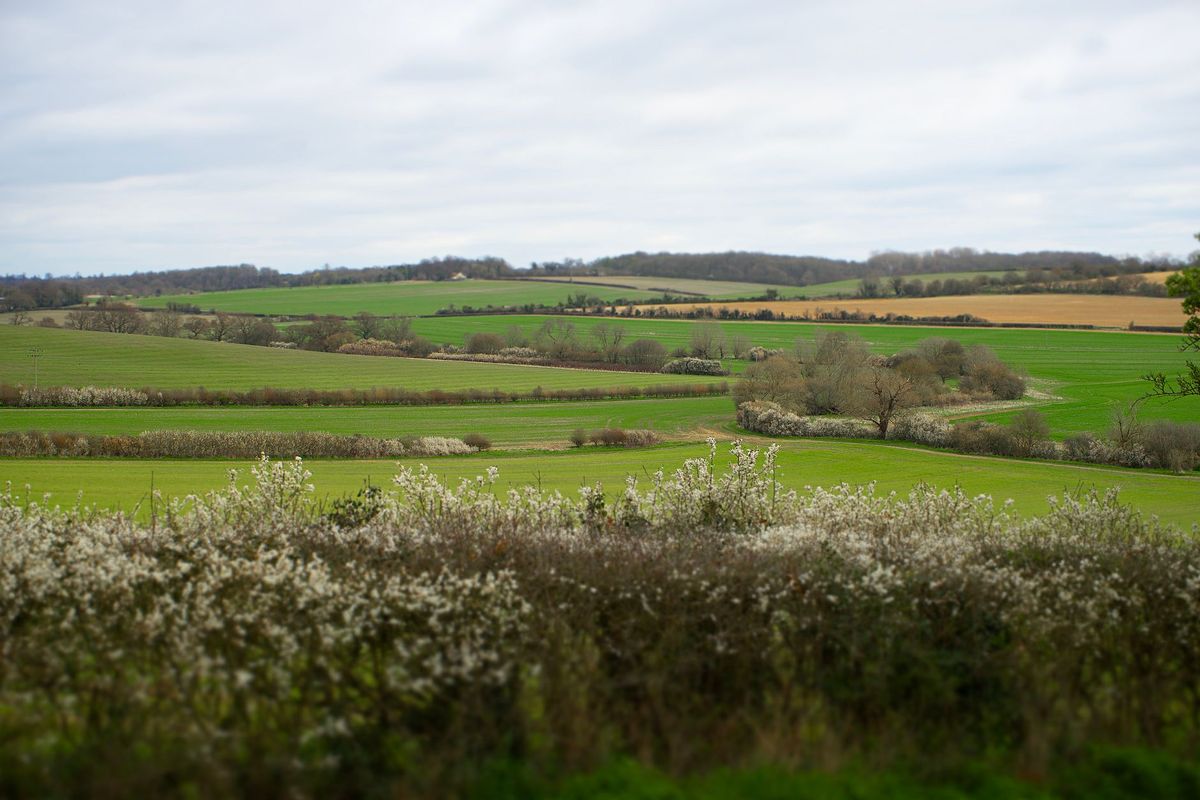
Photo: Wan Mekwi / Pexels