How to build a small wildlife pond for foxes, bees and amphibians
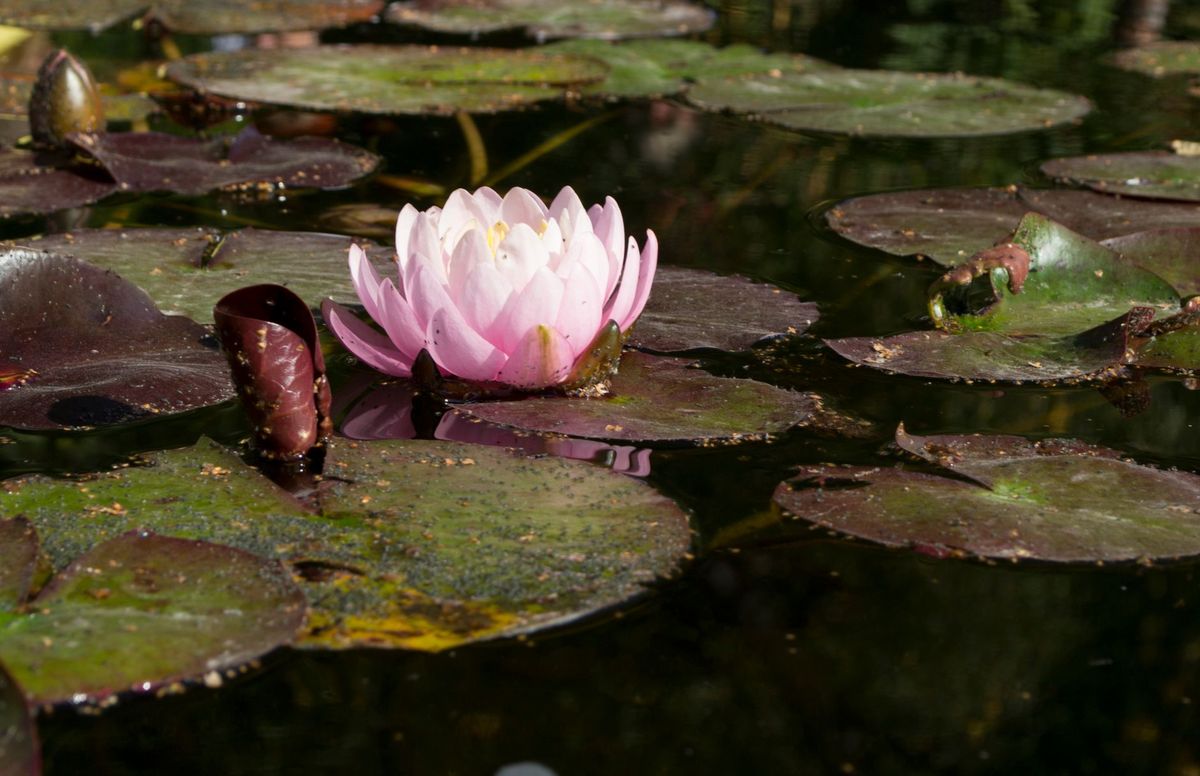
A small pond is the single most effective thing you can add to a garden for wildlife. Even a metre-wide basin sunk into a sunny border will pull in frogs, newts, dragonflies and hoverflies, give bees somewhere to drink, and offer foxes a reliable water source in dry spells. It needs no pump, no filter and not a single goldfish. It needs the right spot, a decent liner, a few native plants and some patience while it finds its own balance.
Most pond failures are siting failures. Before you dig, watch the garden for a few days and note where the sun falls. A pond that gets sun for at least half the day will be warmer and livelier, with more insect activity and stronger plant growth. A little afternoon shade helps in a hot, south-facing garden because it slows evaporation, but full shade keeps the water cold and the plants sulk.
Avoid the drip line of big deciduous trees. Fallen leaves rot down and feed algae, roots can puncture a liner, and the ground is usually dry and matted with roots. Keep the pond away from where you walk at night, and if there are toddlers about, plan for the water to be visible and easy to fence rather than tucked behind a shed.
Foxes visit ponds to drink, often at dusk. Leave a route from the water to a hedge or shrubby corner so anything drinking there has cover close by.
A pond of 1.2 to 2 metres across is generous enough for most gardens and still manageable. Within that, aim for variety rather than a uniform basin:
If small children use the garden, a broad shallow design is easier to see and safer than a narrow, deep one.
A flexible butyl or EPDM liner lasts for decades and lets you choose any shape. A rigid preformed pond is quicker to fit but limits your design and usually comes with steep sides.
A pebble beach at one corner — a gentle ramp of stones laid into the water — gives bees and birds somewhere to land and drink without drowning.
Do not ring the pond with steep paving. Frogs, hedgehogs and beetles all need to reach the water and climb out again. A plank laid from the ground onto the shallow shelf, a stack of stones forming a ramp, or simply a sloping edge will save lives.
Never stretch netting over a pond to keep out herons or cats. It catches birds, hedgehogs, grass snakes and frogs, and the wildlife a pond attracts is usually the whole point. Floating plants and a sloping side do the same job without casualties.
Foxes may drink, wade or dig about the margins, especially in dry spells. That is normal, and it is a sign the pond is doing its job. Keep the edge irregular and avoid fragile, expensive planting right at the waterline.
A pond plants itself in time, but you can speed it up and keep algae in check by working in three layers:
Buy from a nursery selling native stock and read the labels before you plant. Some non-native pond plants are invasive, a few are banned from sale or from being planted in the wild, and they can escape a garden pond in a flood. Parrot's feather, floating pennywort and water fern are ones to refuse.
Plant into baskets of loam-based compost rather than multipurpose compost, which is too rich and feeds algae. Top the baskets with gravel so the soil stays put when birds and foxes disturb the margins.
New ponds go green. For the first season the water can look like pea soup, and you will be tempted to fix it. Don't. Chemicals kill the invertebrates that would have cleaned the pond for you, and a pump and filter are unnecessary in a small wildlife pond. Plant more marginals and oxygenators instead, and let them shade the surface. Within a season or two, water fleas, beetles, dragonfly larvae and newts will move in and the water will clear on its own. Do not add fish: they eat tadpoles and larvae, and they turn clear water cloudy.
Once the pond has settled, the work is mostly thinning in late summer and doing nothing at all in spring.
If the surface freezes, don't smash the ice. The shock travels through the water and can harm frogs and newts resting in the mud below. Rest a pan of hot water on the surface until a gap melts instead. Where young children use the garden, plan for supervision and a removable fence, and keep the shallow shelf wide rather than deep.
Then step back and leave it slightly untidy. The pond with a mossy log at one end and a few leaves in the shallows is the one that foxes, bees and amphibians will actually use.
Photo: Maria Mileta / Pexels
Previous Post
Bee hotel vs bee brick: which UK solitary bee nest is right for you?
Next Post
Hedgerow habitat checklist: managing a UK hedgerow for wildlife year-round