Rural foxes versus urban foxes: how diet, territory and timidity differ
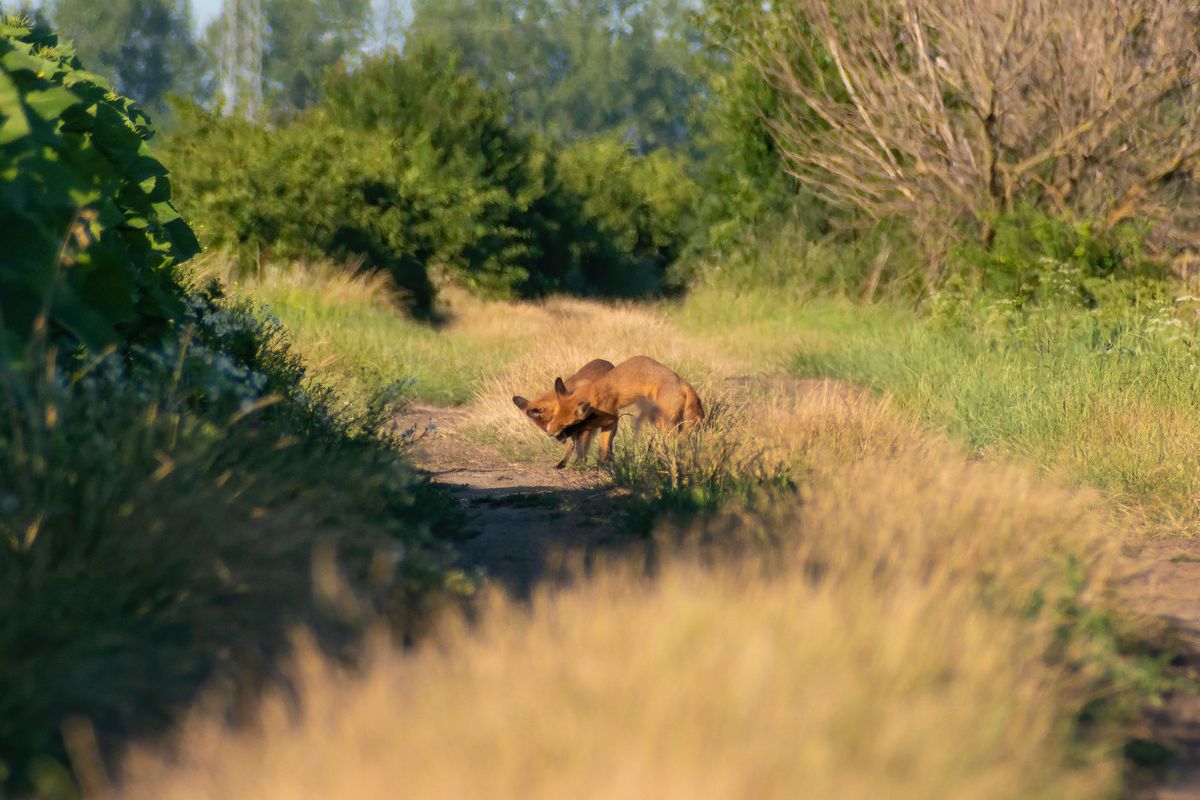
A fox crossing a stubble field in Norfolk at dusk and a fox trotting down a residential street in Bristol at midnight are the same animal, often the same size, and usually doing the same thing: looking for something to eat. Almost everything else about their lives differs. One may hold a territory of several square kilometres and rarely be seen by anyone. The other can spend its whole life within a few hundred metres of where it was born, and think nothing of walking past you at ten in the morning.
Understanding those differences makes it much easier to interpret what you're seeing — and to deal sensibly with the fox in your garden or at the edge of your field.
The red fox is native to Britain and has been here a very long time. What's newer is the urban fox. Foxes moved into towns and cities in a meaningful way during the twentieth century, and populations became established in southern England especially. Today you'll find resident foxes in most large British cities and in a great many towns and suburbs, though they're thinner on the ground in some northern and Scottish areas than people assume.
The important point is that these aren't two breeds or two types. A city fox is a rural fox whose ancestors found a niche with fewer guns, fewer traps and a lot more food lying around. Give it a generation or two and behaviour shifts. Not much else does.
Foxes are generalists. They eat what's available, when it's available, and they're very good at it. But rural and urban diets do pull in different directions.
Rural foxes lean heavily on small mammals — rabbits above all, plus voles, mice and shrews. Birds, eggs, beetles and other invertebrates all feature, and earthworms can make up a surprising share of the diet in mild, wet weather. Fruit matters seasonally: blackberries, elderberries, sloes, windfall apples. Carrion is taken whenever it turns up, and foxes will scavenge afterbirth and afterbirth-adjacent remains around lambing and calving. Hunting is mostly done by ear — the classic pounce, front paws down, snout following the sound of something moving under grass.
Urban foxes still take rats, mice and pigeons, but a large part of what they eat has passed through human hands first. Discarded takeaways, food waste, pet food left out, bird seed spilling from feeders, compost heaps, fallen fruit. Deliberate feeding by householders adds a further layer. This is why urban territories can be so small: there's simply more calories per square metre.
A rural fox works for a living. An urban fox often just has to know where to look.
Rural territories are big and defended. A family group — typically a dog fox, a vixen and often subordinate adults or older cubs — holds an area that can run to several square kilometres, depending on how much food the land produces. Boundaries are marked constantly with urine and with droppings left in prominent places: gateways, footpaths, the tops of tussocks. Foxes use scent the way we use signposts.
Urban territories shrink dramatically. A group might work a patch of gardens, allotments, school grounds and railway embankment covering well under a square kilometre, with boundaries running along fences, sheds and hedgerows. Dens sit under decking, in garden sheds, beneath conifer hedges or in railway cuttings.
Autumn is when the young foxes disperse, and that's why you suddenly see a scrappy young fox in an odd place, or a rise in road casualties. Dispersing animals are the ones most likely to take risks.
Rural foxes are, on the whole, nervous. Generations of lamping, shooting and hunting have selected for animals that move in low light, avoid open ground and vanish at the first hint of a human. Most rural fox sightings are fleeting, at dawn or dusk, or come from trail cameras.
Urban foxes are habituated, and habituation looks a lot like tameness. They'll sit and watch you hang out washing. Some will approach. That tolerance is learned, not affectionate, and it can be lost quickly if the animal is chased or threatened.
One thing worth knowing: a fox that's out in bright daylight and looks thin, mangy or unsteady is usually unwell rather than friendly. Sarcoptic mange is common in urban populations and a mangy fox is a suffering fox, not a tame one. Don't handle it. Contact a wildlife rescue or your vet for advice.
The conflicts differ almost completely between the two settings.
If control is genuinely needed — usually because of poultry or livestock — check the current guidance from Defra, Natural Resources Wales or NatureScot before doing anything. Foxes aren't protected in the way badgers are, but welfare legislation still applies to how they may be dealt with.
Most fox problems are food problems or access problems, and both are fixable.
None of this is complicated, and very little of it requires a confrontation. Foxes respond to consequences, not campaigns. Change the food supply and the access, and most of the conflict quietly disappears.
Photo: Péter Kövesi / Pexels
Previous Post
Fox signs checklist: 12 field clues to identify a garden visitor
Next Post
Beginner's guide to British bumblebees: identify the seven common garden species